11.04.2023
How To Move Household Plants
The main issue of household or garden plants during moving is their sensibility to external factors. Differential temperatures, hot or cold weather, or the risk of falling during transport can all cause damage to plants. That’s why special attention should be paid here to how to move plants properly, how to ensure safety, and what to do before moving your favourite plants to a new home.
Moving Plants Yourself
When planning your move, you should always remember that there are things that many companies will not move for you. And most often, these are flammable items and delicate houseplants. Due to concerns about temperature gaps and related risks such as browning foliage, movers cannot guarantee safety and damage coverage as the shock of moving may kill a good deal of plants. So the core point you have to keep in mind is that you may only have two options:
- Hire an eco-friendly moving company
- Moving plants on your own
So how can plants move be accomplished yourself?
Let’s start with the ways you can transport your potted plants in your car. First of all, you should prepare supplies in advance. Get some plant boxes, packing paper, bed sheets, bubble wrap, foam sheets, etc. You can also prepare coloured wrapping paper and use it like a colour code to label plants by room.
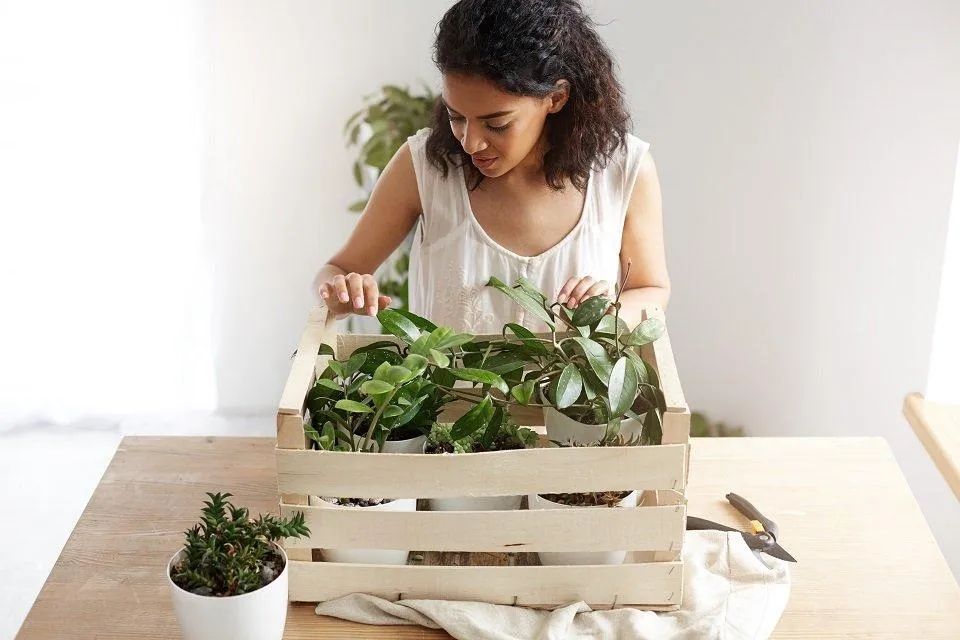
Other main factors to consider are how you should pack and transport your plants:
- When packing the plant, place bubble wrap or another soft padding between the base of the boxes and the pots.
- Larger plants should be additionally wrapped in plastic to protect them from cold temperatures and damage (remember to make a few holes to let the plant breathe).
- Careful attention should also be given to leafy plants. Take care of the safety of the plant from temperature changes and protect the leaves, stems, and branches, as these parts are the most sensitive.
- When loading plants into the car, place taller plants on the floor, and smaller common plants can be placed on the back seat.
However, the main part of the work is not only about packing and loading but also preparing the plants for the move. Let’s look at the steps you need to take before you move, on the day you move, and after you arrive at your new home.
Before Moving
| All actions are recommended to be performed at least 2-3 weeks before the move. Check Your Plants Before you gather all the plants and start packing, check your plants. Look for any bugs, diseases, or fungi. If any plant is infected, separate it from the rest. For treatment, you can use insecticides or pesticides, but wash off traces of these substances before moving, as pesticides are dangerous. Stop Watering Do not water the plants for at least three days before moving. A couple of days without water won’t harm the plants but will make them lighter for easy loading and transport. Moreover, damp soil during the move may provoke fungus growth in hot weather and damage the root ball in cold weather, especially during extreme winter temperatures. Apply Pruning This advice is recommended for large, leafy, or flowering plants. Pruning will make the plant more compact, and you can keep attractive plants as beautiful as they were before relocation by removing dead leaves and branches. Consider Changing Pots If you keep plants in clay pots, you can replace them with shatterproof plastic pots that are a safe alternative for transportation. |
During Moving Day
| The last two days are about packing and preparing your plants for moving. Wrap Your Plants You can use dry paper or any other packing material to wrap the plants. Wrapping is highly recommended for large and fragile plants to avoid damage. Provide Insulation If you’re moving during the winter, ensure your plants are well insulated, as temperatures below 5 degrees can kill them. You can create an extra layer using tissue paper, foam, or newspaper, as these materials retain heat. Make Labels Label each of your plants according to their room to make the unpacking process easier. |
After Arrival
| Here are the last steps you should take once arriving at a new location. Make A Check The first thing to do is to inspect the plants for damage. Also, keep an eye on the plants over the next week to ensure they are healthy. Prepare A Place Find a quiet place for your plants. Don’t leave plants in direct light or in places where sunlight doesn’t reach. Leave them there for 2-4 days. Start Unpacking When you arrive at your new home, start by unpacking your plants first, as they don’t like being in the dark for a long period. Let Plants Acclimatise After unpacking, don’t touch the plants for 1-2 weeks. That is, don’t feed, prune or repot them, as the difference in the soil can be detrimental during the acclimatization period. |
How To Move Plants From The Garden
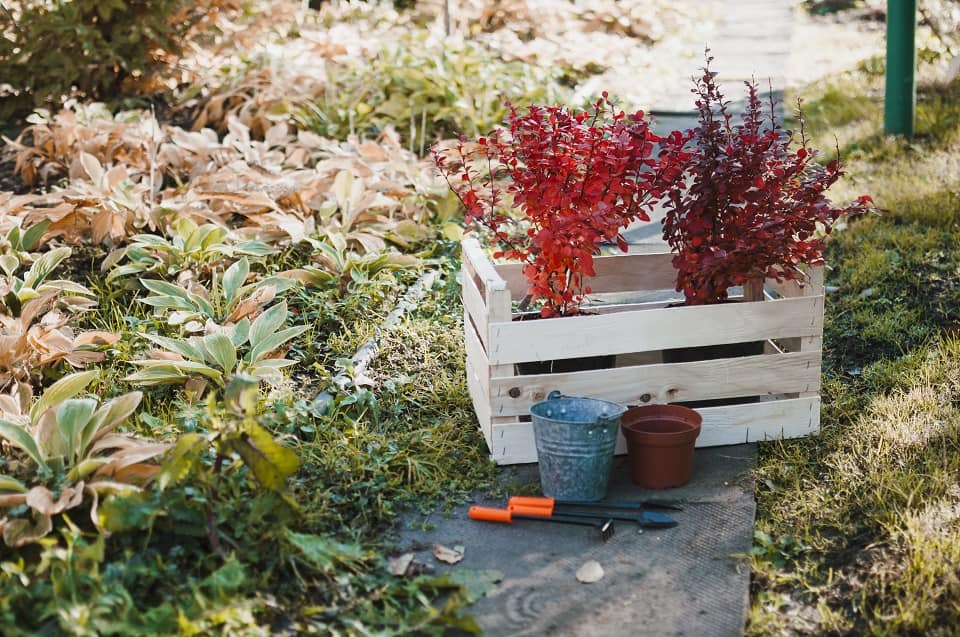
If you’re going to be moving your garden, outdoor plants, or a plant in flower, it’s a good idea to take a plant cutting:
- Cut the bush or flower to get the plant cutting.
- Wrap the cutting with damp paper towels, then secure it with a rubber band.
- Pack the cutting into the box, or you can also plant it in a plastic pot (with damp soil)
- Cover it with plastic to maintain moisture inside.
Moving Long Distances With Plants
If you are wondering how to ship plants on a long-distance move, then here is the same approach as when moving short distances with plants, but with some extra factors.
- First, in addition to wrapping plants, special attention must be paid to maintaining a comfortable temperature in the car or truck during the entire transportation process.
- Second, cross-country moving involves different jurisdictions. Therefore, find out in advance whether it is possible to import your plants, especially if they are poisonous, rare or endangered.
Hiring Movers For Plants
When hiring plant movers, you should describe your needs in detail. This will give you a better idea of whether the company will be able to move your plants or if you will have to do it yourself.
Companies often don’t transport plants. However, you can always contact us and depending on the situation, we can help you transport some of the plants, or you can even enjoy a complete houseplant moving!
We offer our services to different cities so that you can rely on as your:
Check all directions on the website.