
16.05.2023
Tips For Moving With Your Pets
Moving from the current house to the new one can be a stressful event for many people, especially when it’s the first time, so what to say about relocation with pets and larger animals that require additional attention? It may become a really “fun adventure.” Avoid common mistakes and make advance planning to get a positive experience of relocation with our tips for moving with pets!
Before You Move
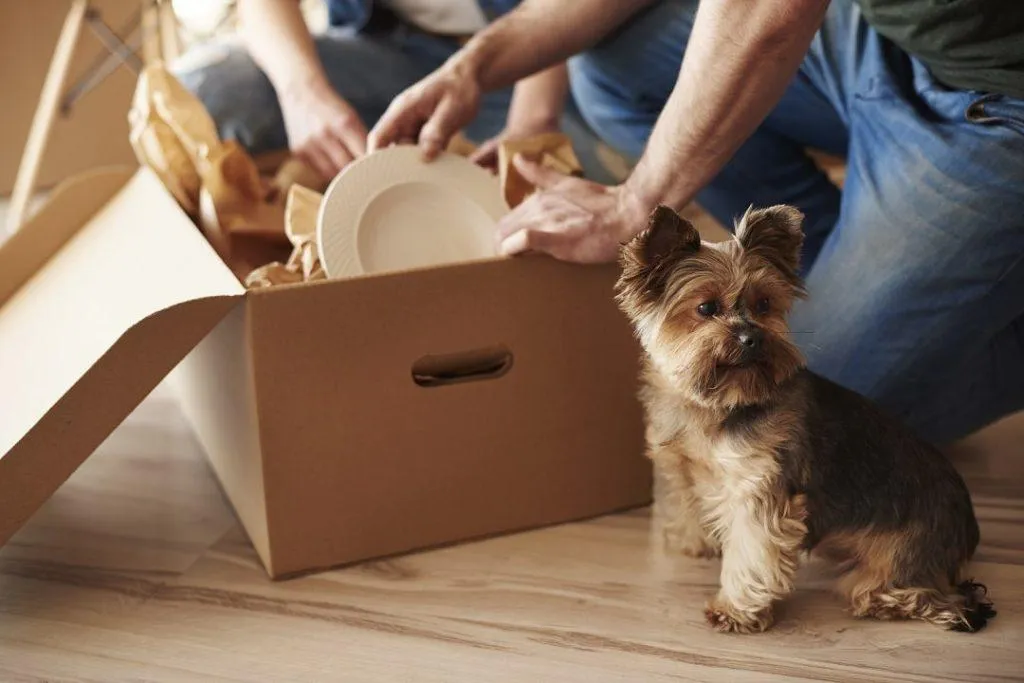
So how to move with your pets? The first step is to start preparing earlier. You can download a moving checklist to track your progress and take all the steps, just like in every move. However, if you’re relocating with your dogs, cats, or pets from another animal family, you should pay personal attention to your friends and start preparing them ahead to avoid “surprises,” which may lead to destructive behaviours during a moving day.
Points the pet owners should keep in mind include:
- The law. If you’re a dog or cat owner, there are usually no restrictions for your pet transportation. But, if you’re going to move with some exotic animals, learn if licensing may be necessary for you to complete the move. This is especially relatable for cross-country moving in Canada.
- Moving folder. It’s always a good idea to create a moving folder where you can store all your documents. Make another folder for your pets where you can keep health certificates, prescriptions, health records and other important papers.
- Moving company. Typically, pet transportation is held by the owners. However, you can also hire a carrier that may provide you with animal transportation services. Also, when contacting a company that is experienced in relocation with pets, you can get some helpful advice on what to do with pets when moving, which may simplify the process for you.
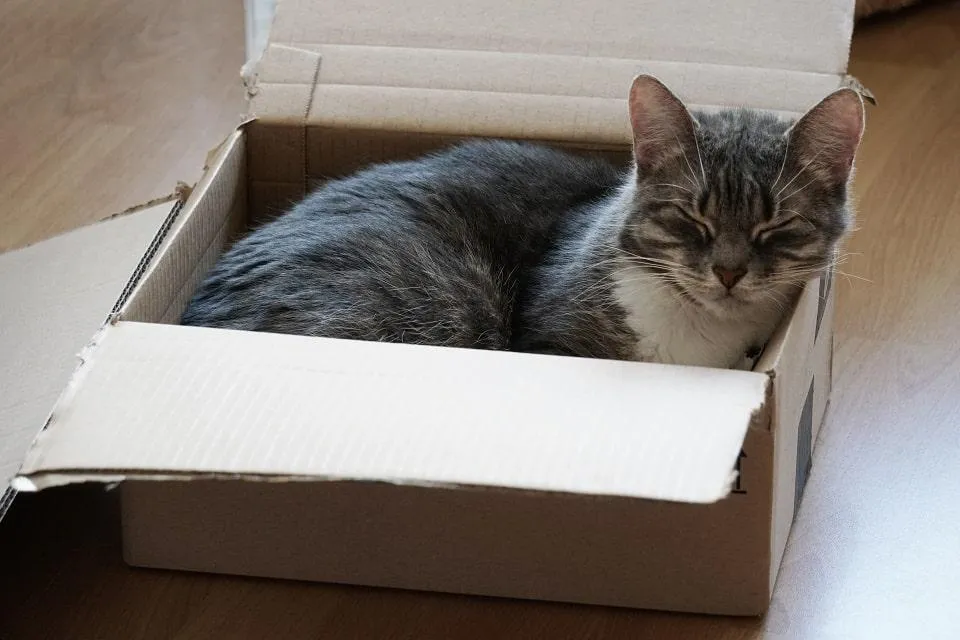
- Supplies. Start collecting packing supplies in advance. When searching for packing boxes, get pet carriers, plastic containers, hard-sided carriers, etc. The faster you get the supplies, the better, as you will get more time to get your pet acclimatized to the moving crates.
Get Your Pet Used To The Relocation
Pack room by room. Boxes, packed items, and empty spaces in the current house can help your furry friend to acclimate, as they might see something is changing. Leave their favourite room and toys for the end, as it can be their safe space.

Keep your cat in a cat carrier for some time to make it used to the crate. Do the same with the dog. You can leave delicacies and water bowls in the crate to encourage your pet and build a positive association with the carrier. Also, check if the hard-sided carrier is spacious enough or if additional ventilation is needed, as the crate must be comfortable for the pet to spend hours there.
Visit Your Vet
Check your pet’s health before moving. Contact the vet to ensure your pet would be okay during moving, as this is usually a stressful time for animals. Also, don’t forget to take medical records, prescriptions, and medications. It’s a good idea to find a new vet in the neighbourhood you’re moving to before the relocation.
Follow A Strict Routine And Regular Walks
Don’t change your normal routine for a week and the last days before moving, as this can stress your pet more. Daily walks and activities should take place at the same time as always. The same goes for feeding times. Also, avoid giving your pet ample food. Follow the diet. Don’t change the place of food bowls, litter boxes, etc. The rule is to follow a strict routine, with no fun adventures and new activities.
Transport Your Pet In Your Vehicle
Although there are companies which may transport your pets, it’s always better to do it yourself to reduce the stress, as pets would feel more comfortable with the owner.
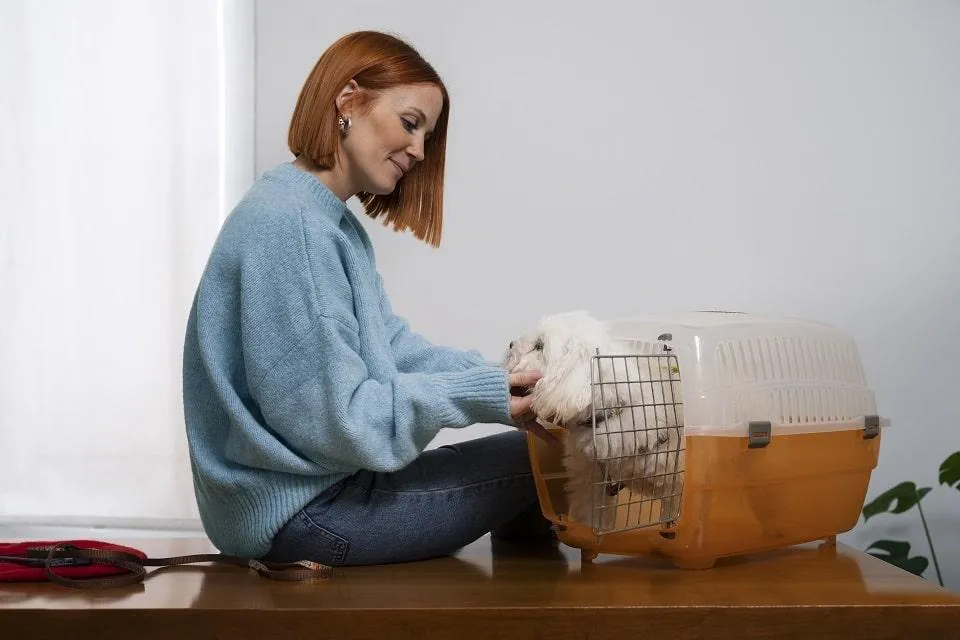
You can put your feline friends in the cat carrier on the backseat and secure it with a seatbelt. Small dogs can also be transported that way. But if you have a big one, you may need to put seats down and keep the dog in a kennel in the back of the car.
Before driving, ensure your car is a safe space for the pet.
If you’re relocating in summer, remember to get plenty of water supplies to keep your pet hydrated.
Pet-Proof The New House
Before moving, visit your new house and make a check. Try to determine how comfortable it will be for your pet inside the house, if there is something you may need to change, how safe the yard space is, etc.
Also, pick a room where you can place your pet after the arrival. If you have an opportunity, you can already set it up: place bowls, litter boxes, overnight kit, toys, etc. In addition, you can explore your new neighbourhood and pick some attractive paths you can then use for daily walks with your dog.
Adjusting To The New Home
Upon arrival, introduce your pet to the house so that it acclimates to the new environment.

- Prepare the space for your pet.
- Dogs and cats react differently to new surroundings. Thus:
- Make a walk-through inside the home with your dog, let it smell and check everything.
- Allow your cat to hide for some time to reduce the stress and adjust to the new home.
- Follow the routine. Just like before the move, don’t change the schedule and avoid too many new activities for the pet.
- Spend more time at home with your pets during the first week after moving.
- Play with your pets. Give them attention, treats, and your love to make positive associations with their new home.
Moving First, Then Pets
If you have an opportunity, it’s a good idea to complete your move first and bring your pets to the new home after. With this approach, your friends would see familiar things and can adjust to the new location faster.
Moving With Different Types Of Pets
Reptiles
When moving with reptiles (iguanas, lizards, snakes, turtles, etc.), always label the containers, especially with poisonous species and learn about government regulations in advance.
Transport your reptiles in insulated boxes and plastic containers with enough air holes. Keep the moisture level inside the container (you can put a damp cloth inside).
Rodents
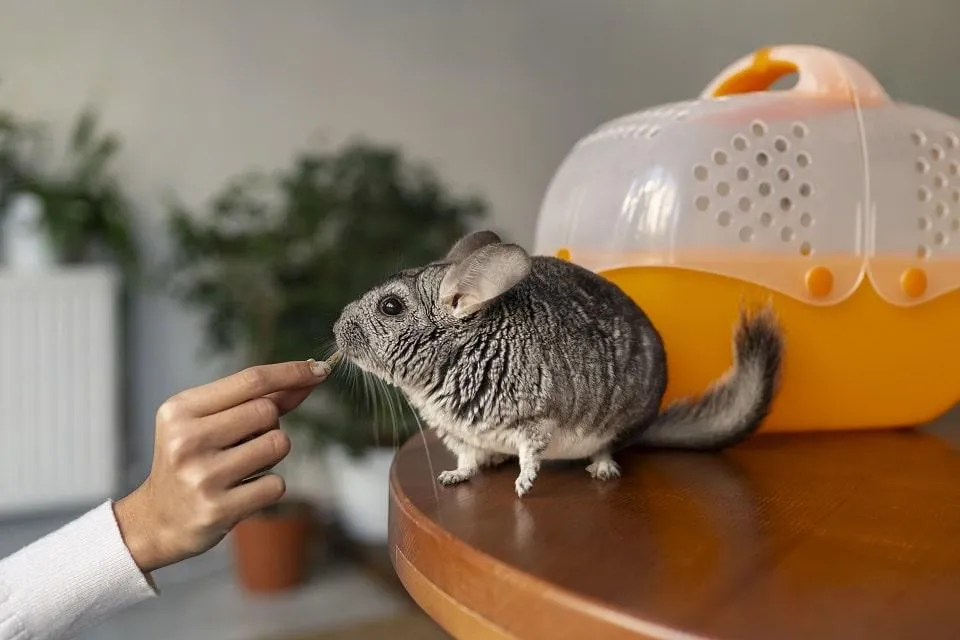
You can transport your hamsters, mice, guinea pigs, and other rodents in their containers and cages. Just ensure they are securely placed in the car. It’s worth putting a blanket over the cage to reduce stress for your pet and maintain the temperature.
Fish
Use plastic bags filled with water and air (50/50) to transport your fish. If there is a large number of fish, 5-10 gallon plastic containers are a good option. Also, you can apply a portable aerator, which is perfect for long-distance moves.
Birds
Birds’ transportation is similar to rodents’. You can safely move your feathered friends in their cages. Just leave some snacks and water for them. Cover the cage with a blanket because the less the bird sees during transportation, the calmer it feels. Moreover, since birds are susceptible to temperature changes, a blanket over the cage helps maintain a comfortable temperature.
Best Moves Calgary offers reliable local moving services. We can help with relocation to Canmore, Banff and other cities.