
27.05.2026
Living in Banff: What You Should Know Before Moving to the National Park
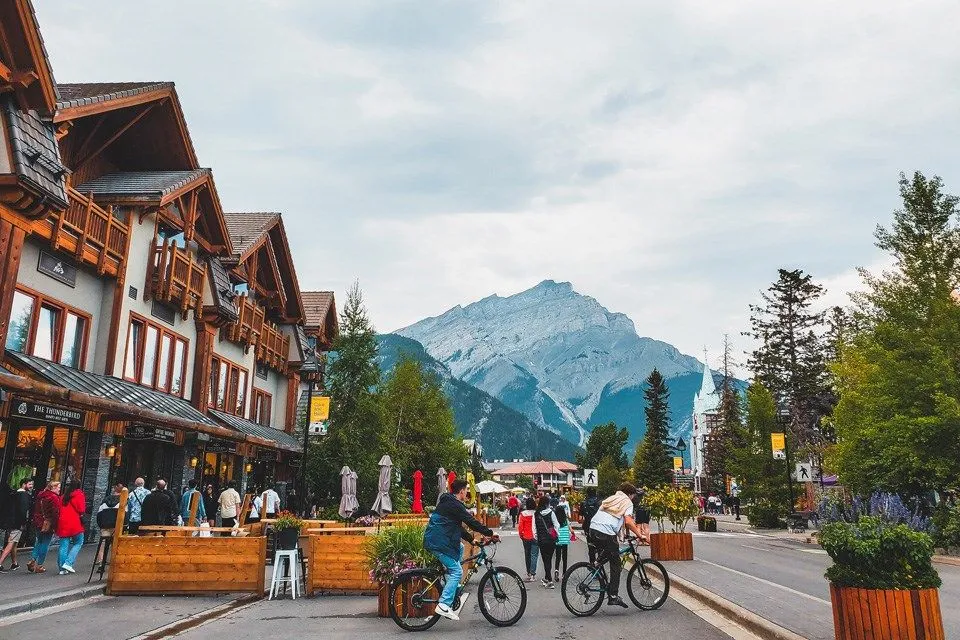
Banff is a small town located within a national park in the Bow River Valley. Every year, it attracts thousands of visitors who come to ski, snowboard, or simply enjoy nature. Many people also choose Banff as a permanent place of residence, and there are several reasons why:
- Clean, fresh mountain air.
- Breathtaking natural landscapes.
- Unlimited opportunities for outdoor activities.
- A friendly local community where newcomers can easily make connections.
- Strong opportunities for starting or running a business.
If you’re considering moving to Banff but haven’t made a final decision, it’s helpful to learn as much as possible about life in this unique town.
Key Aspects of Living in Banff
Several important factors should be considered when choosing Banff as your permanent home:
- Climate conditions. Banff’s climate may not be ideal for those who prefer mild weather. Winters are long and cold, with temperatures typically ranging from –10°C to –15°C, and occasionally dropping to –20°C. Summers are generally pleasant, with daytime temperatures reaching +25°C, and rarely up to +30°C, although evenings and nights remain cool.
- Cost of housing. Real estate in Banff is relatively expensive. However, purchasing property can be a strong long-term investment due to the constant demand for rentals driven by tourism. Home prices typically range from $535,000 to $5,500,000 CAD for luxury properties. Because the housing market is limited, many residents — even long-term locals — choose to rent.
- Infrastructure. Despite its small size, Banff offers all essential amenities, including grocery stores, cafés, restaurants, and recreational facilities for both adults and children. Most services are conveniently located in the town centre.
- Transportation. Banff has a public transit system with bus routes covering the entire town, as well as taxi services. However, many residents prefer using their personal vehicles for convenience.
- Employment opportunities. There is strong demand for workers in tourism, hospitality, and the restaurant industry. Banff also offers excellent opportunities for entrepreneurs, especially those serving visitors and outdoor enthusiasts.
- Education. Banff has a daycare and a school, so families with children do not need to commute to other cities for basic education.
- Healthcare services. Banff has a local medical centre that provides primary care and emergency services. Specialized medical care is available in nearby cities such as Canmore. Veterinary services are also available for pet owners.

Banff can be an ideal place for permanent living, especially for those who value nature and a quieter lifestyle. However, adjusting to life here may take time, particularly for people moving from larger cities.
How to Prepare Your Belongings for Moving to Banff
Banff often experiences rainy weather during the off-season, and winter moves can be complicated by snow and freezing temperatures. To protect your belongings during transport, proper packing is essential. Here are some key recommendations:
- Appliances and electronics. Transport appliances and electronics in sturdy cardboard boxes with foam inserts to provide cushioning and insulation. If you’re moving during freezing weather, wait at least two hours before plugging in electronics after arrival. Temperature changes can cause condensation inside devices, which may result in damage if turned on too quickly.
- Furniture protection. Furniture should be transported in protective covers to prevent damage from moisture, dirt, and snow. Large items should be disassembled in advance. Glass components and mirrors should be wrapped in multiple layers of bubble wrap before being placed in boxes.
- Moving plants in cold weather. Proper insulation is critical when transporting plants during winter. Place plants in cardboard boxes, secure the stems by filling empty space with soft packing paper, and cover them with blankets for insulation. Make small ventilation holes in the boxes to allow airflow.
- Textiles and fabrics. Clothing, bedding, and other textile items should be packed in sealed plastic bags to protect them from moisture.
- Shoes and footwear. Fill shoes with crumpled paper before packing to help them maintain their shape and prevent deformation under pressure.

Professional Moving Services to Banff
If you want to avoid packing mistakes and ensure maximum protection for your belongings, trust the professionals. The experienced team at Best Moves will carefully pack, protect, and transport your items safely to Banff in any weather conditions.
We offer complete moving services, including packing, transportation of furniture, appliances, and household items, as well as removal of empty boxes after unpacking at your new home. With Best Moves, your relocation to Banff will be safe, efficient, and stress-free.
u003cstrongu003ePlanning a move?rnu003c/strongu003ernrnGet a fast and accurate quote with no obligations!